Electricity plays a quiet but central role in everyday home life, powering comfort, communication, and essential routines. Many households only think about energy use when bills rise or when planning backup power or solar options. Understanding real energy needs helps avoid overestimating systems that are too expensive or underestimating solutions that fall short during critical moments. A clear picture of daily usage also makes future upgrades and efficiency improvements easier to plan. In this article, practical and approachable steps explain how to identify a home’s true energy needs with confidence.
1. Check Your Current Energy Use
Review your monthly electric bills
Monthly electric bills provide a reliable starting point for understanding household energy patterns. They show total consumption over time, often measured in kilowatt-hours, which reflects real-world usage rather than estimates. Seasonal changes on these bills reveal how heating, cooling, and lighting affect demand throughout the year. Looking at several months together offers a clearer average rather than relying on a single high or low bill. This simple review grounds all future energy planning in actual data.
Use a plug-in energy monitor on major appliances
Plug-in energy monitors make energy use visible at the appliance level. These small tools show how much electricity a refrigerator, television, or computer actually consumes during daily operation. Seeing real numbers often challenges assumptions about which devices use the most power. Over time, this information helps prioritize which appliances matter most when planning backup or solar solutions. Monitoring individual devices turns abstract energy use into something concrete and understandable.
2. List Your Essential Appliances
Identify must-run items like refrigerator and lights
Every home has appliances that must stay powered regardless of circumstances. Refrigerators, basic lighting, and internet equipment often fall into this category because they support food safety and communication. Identifying these essentials helps separate comfort items from critical ones. This distinction is especially useful when planning for limited power situations. Focusing on essentials ensures that core needs are always met first.
Note high-power devices like air conditioners
Some appliances consume significantly more energy than others. Air conditioners, electric heaters, and large kitchen appliances often draw high wattage when operating. Including these devices in energy planning highlights potential challenges during peak usage times. Knowing which items demand the most power helps determine whether they can run together or need scheduling. Awareness of high-power devices prevents surprises when energy systems are tested under load.
3. Calculate Daily Energy Requirements
Add up the watt-hours your essentials use each day
Daily energy needs become clearer when watt-hours are calculated for essential devices. This involves multiplying each appliance’s power rating by the number of hours it runs per day. Adding these numbers together creates a realistic daily baseline. This total represents the minimum energy required to maintain normal routines. Accurate calculations reduce guesswork and improve planning decisions.
Factor in how many hours each device runs
Not all appliances operate continuously, and runtime matters as much as power rating. Lights may only be used in the evening, while refrigerators cycle on and off throughout the day. Factoring in realistic usage hours avoids overestimating energy needs. This step also highlights opportunities to adjust habits to reduce consumption. Understanding runtime patterns helps align energy supply with actual demand.
4. Account for Power Surges and Peak Times
Remember that motors need extra power to start
Appliances with motors often require a brief surge of extra power when starting. Refrigerators, pumps, and air conditioners draw more electricity during these moments than during steady operation. Ignoring startup surges can lead to undersized systems that struggle or shut down. Accounting for this behavior ensures smoother performance during everyday use. Planning for surges adds reliability to any energy setup.
Plan for times when multiple devices run together
Peak demand occurs when several appliances operate simultaneously. Morning routines, cooking times, or hot afternoons often create these overlaps. Planning for combined usage helps avoid overloads and interruptions. This perspective encourages staggered use or capacity planning where needed. Recognizing peak moments leads to more resilient energy solutions.
5. Plan for Future Changes
Consider adding an electric vehicle or heat pump
Energy needs rarely remain static over time. Adding an electric vehicle, heat pump, or other electric systems can significantly increase household consumption. Considering these possibilities early prevents future limitations. Planning with flexibility allows energy systems to adapt as lifestyles change. Forward-looking estimates reduce the need for costly upgrades later.
Include potential savings from energy-efficient upgrades
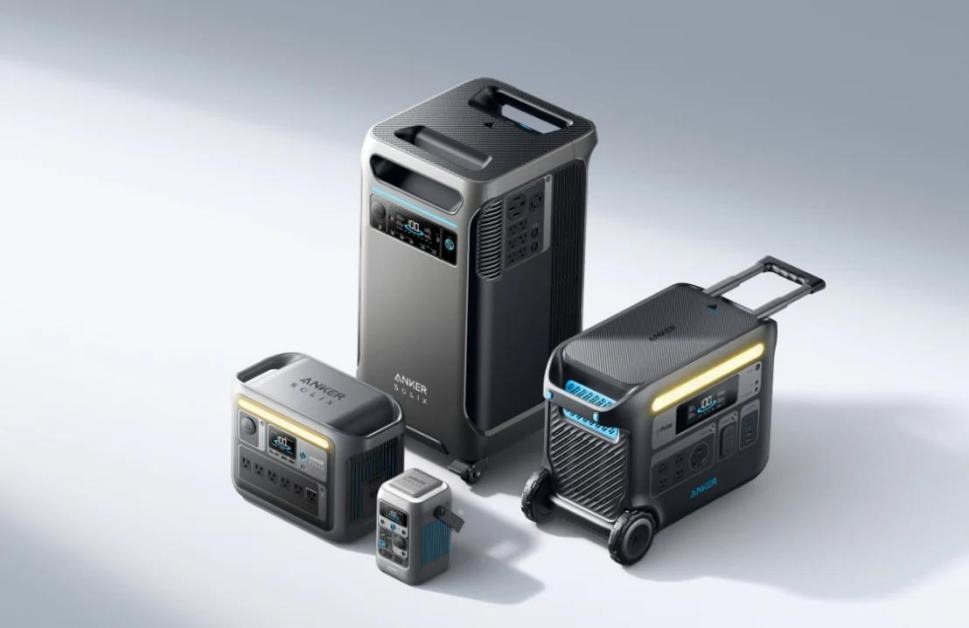
Energy-efficient upgrades not only reduce daily energy consumption but also improve household comfort. Improvements such as better insulation, efficient lighting, and smarter appliances lower overall demand without sacrificing convenience. For homes adopting a flexible energy approach, portable solar generator systems—like the Anker SOLIX solar generators portable models—offer a fitting complement. Their output range accommodates essential loads, and their expandable capacity can be scaled alongside efficiency improvements. With support for substantial solar input, these systems align well with households seeking to balance lower energy usage with practical backup power. Ultimately, integrating energy-saving upgrades with adaptable storage encourages smarter, more sustainable energy choices for the long term.
Conclusion
Determining a home’s true energy needs requires careful observation rather than assumptions. Reviewing bills, monitoring appliances, and understanding daily habits provide a solid foundation. Accounting for surges, peak times, and future changes ensures that planning remains realistic and adaptable. Energy-efficient choices further refine these calculations by lowering demand over time. With a clear understanding of real energy use, households can make informed decisions about backup power, solar options, and everyday efficiency.