Climate influences generator spending more than most homeowners realize. The temperature range, humidity levels, storm frequency, and local weather patterns all shift what type of generator a household needs and how much they must invest to keep it running. Two identical homes in different climates can face very different long-term costs because environmental stress changes performance demands, durability needs, and maintenance requirements. These climate-driven expenses make many homeowners ask how much for a home generator once weather conditions are fully factored in. Solar-based backups such as the Anker SOLIX C2000 Gen 2 paired with a 400W solar panel enter the conversation because they avoid many climate-related operational expenses that affect fuel-powered systems, offering a more predictable path to resilient home energy.
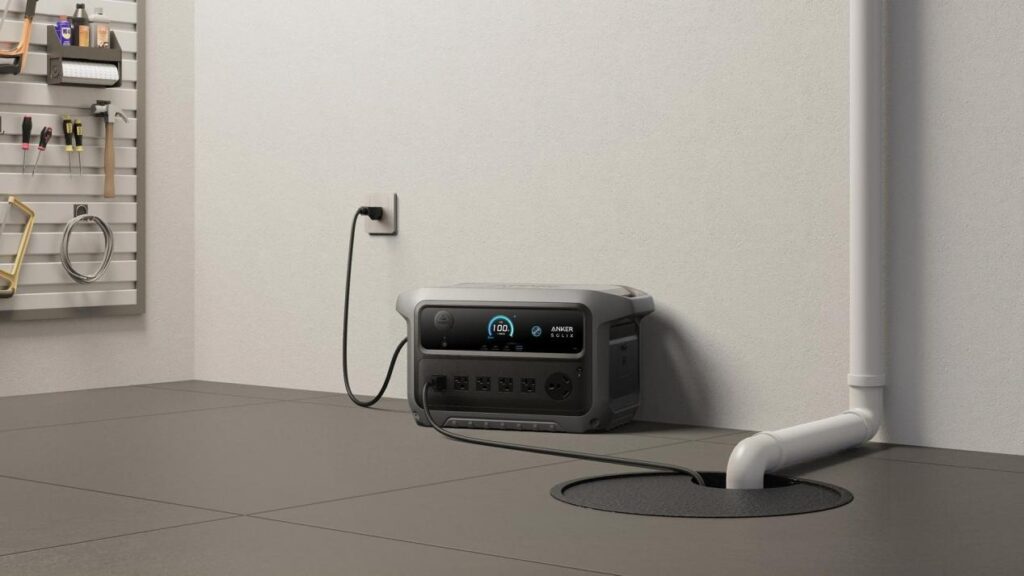
How Extreme Temperatures Influence Generator Cost Decisions?
High Heat Increasing Load Requirements
Hot climates force generators to support more cooling appliances and longer run cycles, significantly affecting size selection and fuel use. Air conditioners, refrigerators, and ventilation systems draw more power during heatwaves, so homeowners must choose generators with higher continuous and surge capacity. This raises both purchase and fuel expenses. Solar generators change this equation because they operate independently of fuel consumption and do not lose efficiency due to heat-related fuel evaporation or carburetor strain. The C2000 Gen 2 offers 2,400W rated and 4,000W peak output, giving users reliable support for high-priority appliances without the oversized investment required by combustion models.
Cold Weather Increasing Starting Loads
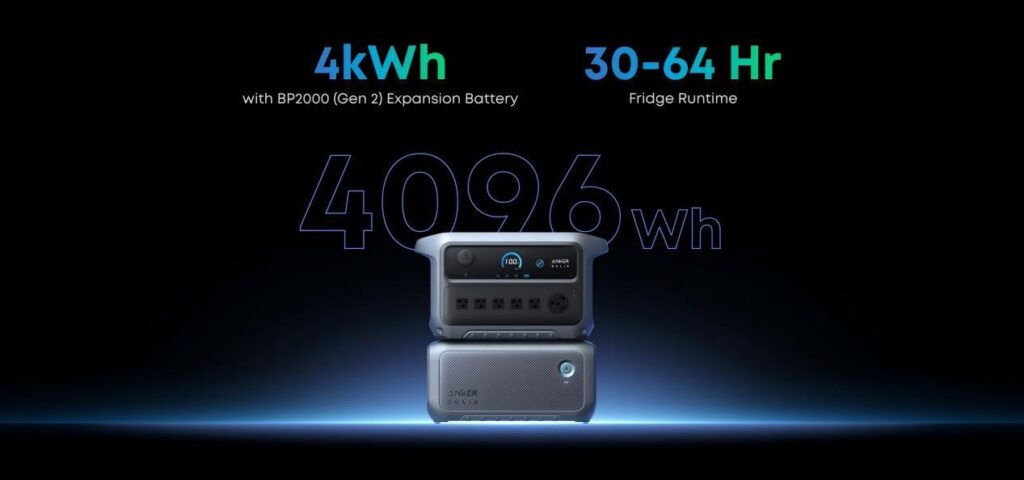
Cold climates impose higher startup demands on motors such as furnace blowers, sump pumps, and refrigerators because thickened lubricants and low temperatures increase resistance. This often forces generator buyers to select models with larger surge capability than they would need in milder climates. Oversizing becomes a common and costly necessity. A solar generator avoids this startup penalty because it delivers clean, stable electrical output instantly, without relying on engine compression or cold-sensitive ignition systems. The C2000 Gen 2’s capacity expansion feature—up to 4 kWh with the BP2000—provides enough stored energy to manage extended outages, allowing homeowners to handle cold-weather challenges without paying for oversized engine capacity.
Temperature-Driven Placement and Installation Expenses
Homes in very hot or very cold regions often require special generator placement, ventilation, or weatherproof enclosures, increasing upfront spending. Some outdoor installations also need elevated mounts or airflow management to prevent overheating or freezing. Solar systems simplify these concerns. The PS400 panel’s IP67 waterproof design ensures dependable outdoor performance across a wide temperature range, and the portable station requires no enclosure or permanent mounting. With adjustable solar angles, homeowners can keep charging efficiently even in low-sun or high-glare seasons.
How Climate-Related Environmental Conditions Add Hidden Costs?
Humidity and Salt Exposure Driving Corrosion
Coastal regions and humid climates accelerate corrosion in fuel-powered generators. Salt, moisture, and constant condensation wear down metal components, increasing maintenance frequency and reducing lifespan. These environmental factors also raise installation costs because corrosion-resistant mounts, coatings, or shelters are needed to preserve performance. Solar generators avoid many of these expenses because they have no exhaust ports, no fuel tanks, and no engine metals requiring corrosion protection. The PS400 panel’s sealed, waterproof structure and the C2000 Gen 2’s compact, enclosed form make them easier to maintain in moisture-heavy environments.
Storm Frequency Changing Power Planning Strategies
Regions with frequent storms—hurricanes, monsoons, blizzards, or wind events—experience more outages and therefore spend more on fuel, generator servicing, and emergency readiness. Homeowners often buy additional portable generators or larger permanent units to prepare for repeated disruptions, which is when many begin asking how much for a home generator that can realistically handle frequent outages. A solar generator reduces recurring storm-related costs by offering off-grid recharging with no fuel reliance. The C2000 Gen 2’s fast 80% recharge in 45 minutes using AC+solar helps households recover quickly between outages, and portable placement allows safe indoor use during hazardous weather conditions that restrict outdoor generator operation.
Air Quality and Pollution Restrictions Affecting Fuel Options
Certain regions restrict generator use during wildfire seasons, smog events, or temperature inversions. Fuel-powered generators may face legal limits on runtime or noise levels, forcing homeowners to invest in quieter, more advanced models or alternative backup systems. Solar generators naturally comply with these restrictions, providing silent, emission-free power. The C2000 Gen 2’s minimal idle consumption—only 9W—also reduces the energy penalty of maintaining readiness during uncertain weather cycles, making it cost-efficient for long-term standby use.
Conclusion
Climate conditions profoundly influence generator spending because temperature extremes, humidity, storms, and regional regulations all change what homeowners must buy and how much they must maintain. Hot climates push households toward larger generators with higher cooling loads. Cold climates increase surge requirements and startup demands. Humid and coastal areas face corrosion-related expenses, while storm-prone regions deal with repeated downtime and fuel costs. Solar generators offer a more predictable alternative because they bypass many climate-driven expenses entirely. With its strong peak output, long appliance runtimes, rapid recharging, and durable IP67 solar panel, the Anker SOLIX C2000 Gen 2 provides resilient power across diverse environments. Understanding how climate shapes generator spending allows homeowners to make more informed choices and invest in backup power that stays reliable year after year.